
Punk: Attitude
reviewed by dan heaton
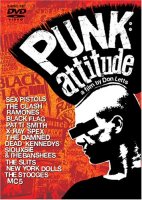
Don Letts was a prominent figure as a DJ in the burgeoning UK punk scene, and this insider knowledge permeates Punk: Attitude, his broad history of the punk genre. The story begins much earlier than you might expect, with comments about Chuck Berry, Jerry Lee Lewis, and Elvis Presley, whose individuality moved them away from the music conventions of the time period. This theme of original ideas exists at this picture's center and characterizes even the less-talented figures depicted. This unique attitude also reveals what's missing from such recent "punk" bands as Blink 182, Sum 41, and Good Charlotte. They may dress the part and know the chords, but their antics are sorely lacking in the originality of their music pioneers.
This film concentrates on the original punk scenes in both the United States and Great Britain and provides a well-rounded overview. Experts will undoubtedly be familiar with most of the material, but should enjoy the entertaining group of speakers assembled. Henry Rollins opens the film and appears frequently to inject energetic thoughts about an array of bands. Indie film maverick Jim Jarmusch also offers some memorable comments about the pivotal concepts of the music. Thurston Moore (Sonic Youth), David Johansen (New York Dolls), Tommy Ramone (the Ramones), Chrissie Hynde (the Pretenders), Jello Biafra (Dead Kennedys), and numerous others bring credibility to the film and help to provide a complex perspective.
This brisk documentary runs for only about 90 minutes, which makes it difficult to summarize an extremely diverse genre. Letts (Westway to the Worlds) focuses considerably on a few pivotal bands that inspired legions of future artists. The Velvet Underground are generally not considered a punk act, but their influence cannot be understated. The next major segment involves Detroit's The MC5, whose White Panther Party drove the authorities crazy but fizzled extremely quickly. 1969's "Kick out the Jams" retains its power more than 30 years following its initial release. Next comes their Detroit contemporaries the Stooges, supported by frontman Iggy Pop's crazy on-stage presence. Letts utilizes impressive live footage that effectively conveys the chaotic atmosphere of the late '60s and early '70s. This vigor remains during impressive segments presenting CBGB's breakout acts like Television, the Ramones, and the New York Dolls.
The next segment crosses the Atlantic and explores the breakout of punk rock in the UK, which veered more into the political spectrum. The Sex Pistols and the Clash spoke directly about their issues with the current government, and drew both praise and derision as a result. Letts directed the acclaimed 2000 documentary Westway to the World about the Clash, and he spends considerable time presenting the still-relevant act. The Sex Pistols are less-celebrated here (for good reason), but their influence on future acts is given its just due.
Punk: Attitude succeeds because it goes beyond the predictable bands and provides a broader perspective on the punk genre. Sonic Youth receives their just due for generating noisy soundscapes that rarely appeared before. Bad Brains also is mentioned for their infusion of reggae into the typical hardcore mix. The Southern California punk scene does receive too little screen time, with no mention of Bad Religion or their contemporaries in the early '80s. However, this type of criticism could arise about numerous locations or bands because the brief running time does not allow Letts to cover everything. The artists depicted help him to craft an engaging picture that should please both music experts and neophytes to the world of punk music.
(Punk: Attitude aired on the Independent Film Channel in July and will be released as a two-disc DVD on September 6.)





Copyright (c) 2005 erasing clouds |
|